
Product Overview
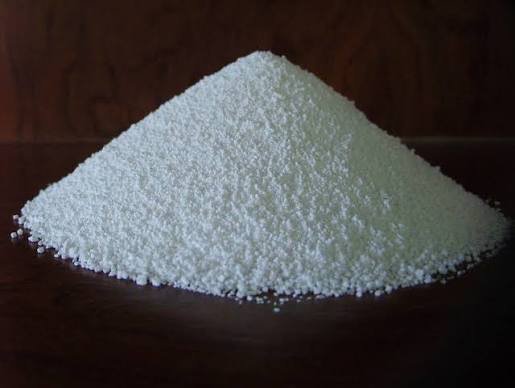
Potassium Silicate (K₂SiO₃) is a soluble glass-like compound used as a plant biostimulant, industrial binder, and construction material additive. In agriculture, foliar-applied potassium silicate strengthens cell walls, enhances disease resistance, and improves drought tolerance — making it a key component of integrated pest management programs. Dongkwang Poland supplies liquid (30-40% solids) and powder forms meeting agricultural and industrial specifications. As silicon-based crop protection gains regulatory recognition under the EU Biostimulants Regulation, demand for high-purity potassium silicate is accelerating.
How Potassium Silicate Works
When applied to plant surfaces, potassium silicate deposits a thin silicon layer on epidermal cells, creating a physical barrier against fungal penetration (particularly powdery mildew, rice blast, and Botrytis). Silicon also triggers systemic acquired resistance (SAR) by upregulating pathogenesis-related (PR) proteins. The potassium component provides additional K nutrition. In construction, K₂SiO₃ reacts with CO₂ to form a hard silica gel, used in fireproofing and acid-resistant coatings.
Key Benefits
Application Guide
Foliar spray: 2-5 mL/L applied every 7-14 days during disease-risk periods. Compatible with most pesticides but test compatibility before tank mixing. Soil drench: 10-20 L/ha for silicon-deficient soils (pH >7 may reduce efficacy). Industrial binder: concentration varies by application — contact technical team. Always apply in the early morning or late afternoon to avoid leaf scorch.
Ideal For
Storage & Handling
Store liquid form above 5°C to prevent crystallisation. Keep in HDPE containers — K₂SiO₃ dissolves glass. Mildly alkaline (pH 11-12) — use gloves and eye protection. Shelf life: 18 months for liquid, 36 months for powder. Non-hazardous for transport.

Reviews
There are no reviews yet.