

Product Overview
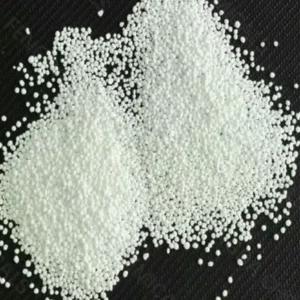
Lithium Hydroxide Monohydrate (LiOH·H₂O, ≥56.5% LiOH battery grade) is the preferred lithium source for next-generation high-nickel NMC (811) and NCA cathode materials. Unlike lithium carbonate, LiOH enables lower-temperature calcination and produces cathodes with fewer surface impurities, resulting in cells with higher energy density, longer cycle life, and improved safety. Dongkwang Poland sources battery-grade LiOH from Australian spodumene converters and emerging European producers, providing European gigafactories with the premium lithium chemistry needed for competitive EV battery cells.
How Lithium Hydroxide (LiOH·H₂O) Works
LiOH reacts with transition metal hydroxide precursors (NMC, NCA) during solid-state calcination at 700-850°C — approximately 100°C lower than Li₂CO₃-based synthesis. This lower temperature preserves the layered crystal structure of high-nickel cathodes, reducing cation mixing (Ni²⁺ occupying Li⁺ sites) that degrades capacity and cycle stability. LiOH also avoids CO₂ evolution during synthesis, reducing gas management requirements and improving cathode surface chemistry.
Key Benefits
Application Guide
NMC 811 / NCA cathode synthesis: mixed with precursor at ~1.05 Li/TM molar ratio and calcined at 750-850°C. Grease manufacturing: lithium hydroxide-based stearate for high-temperature industrial greases. CO₂ scrubbing: used in submarine and spacecraft air purification systems. Chemical synthesis: strong base for organic reactions. Process parameters are cathode-specific — our materials science team provides technical guidance.
Ideal For
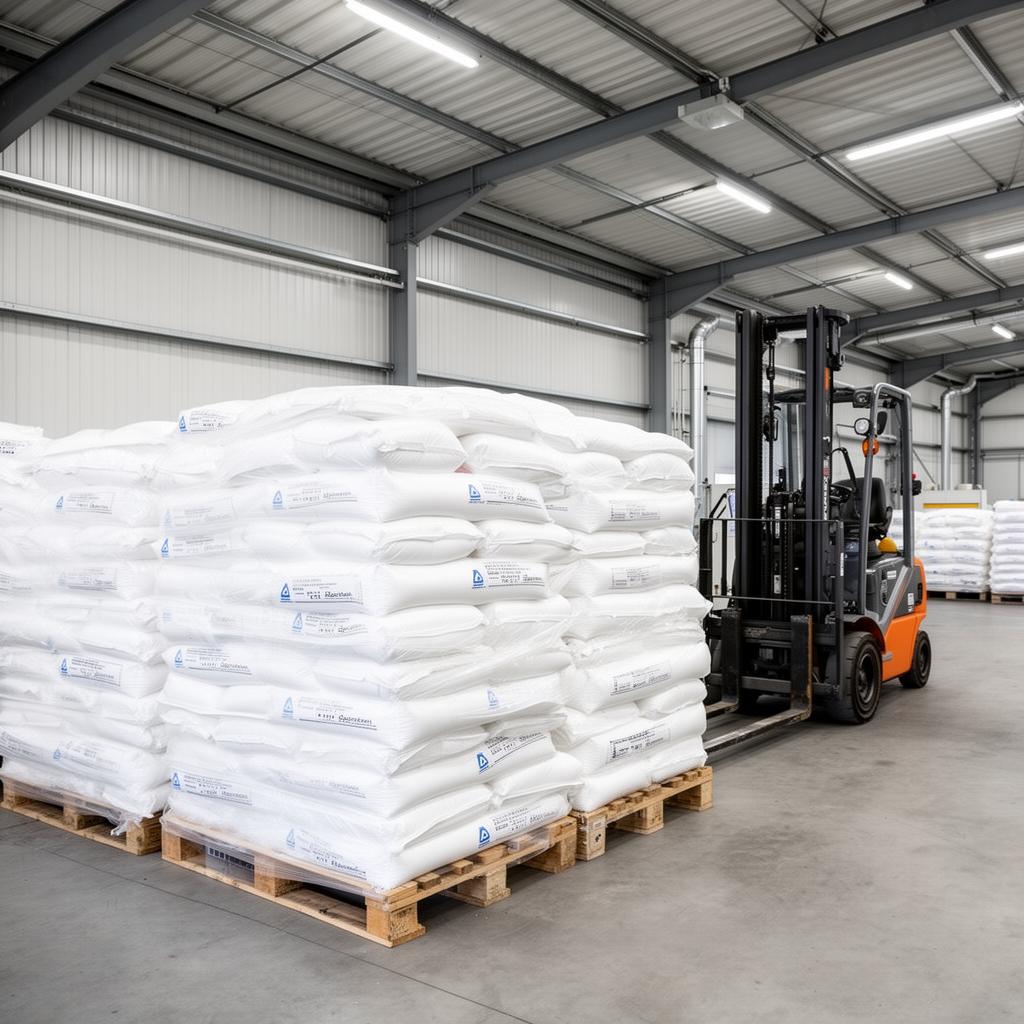
Storage & Handling
Store in sealed containers in dry conditions. LiOH is corrosive (GHS Category 1A) — causes severe skin burns and eye damage. Absorbs CO₂ from air, degrading to Li₂CO₃. Keep containers tightly sealed. Full PPE: chemical gloves, face shield, protective suit. ADR Class 8 for transport. Battery-grade requires contamination-free, CO₂-minimised storage.
Reviews
There are no reviews yet.