
Product Overview
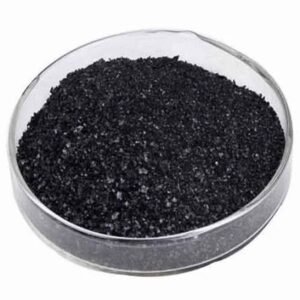
Graphite Powder (Battery Grade, ≥99.95% C) serves as the dominant anode active material in lithium-ion batteries, with over 95% of commercial Li-ion cells using graphite anodes. Both natural (flake) and synthetic graphite are used, with synthetic offering higher purity and consistency for premium EV cells. Dongkwang Poland supplies coated spherical graphite (natural) and synthetic graphite powder meeting the specifications of European battery cell manufacturers, sourced from diversified supply chains to reduce dependence on any single geography.
How Graphite Powder (Battery Grade) Works
During battery charging, lithium ions intercalate between graphite’s layered hexagonal carbon planes, forming LiC₆ at full charge. This reversible intercalation provides a theoretical capacity of 372 mAh/g with an average voltage of 0.1V vs Li/Li⁺. The graphite anode’s flat voltage profile, high coulombic efficiency (>99.5%), and long cycle life (>1,000 cycles) make it the benchmark anode material. Surface coating (pitch or polymer-derived carbon) improves first-cycle efficiency by optimising SEI formation.
Key Benefits
Application Guide
Battery anode production: mixed with binder (CMC/SBR or PVDF) and coated onto copper foil at 3-5 mg/cm² loading density. Electrode calendering to 1.5-1.7 g/cm³ density. Particle size D50 typically 15-20 µm for power cells, 18-25 µm for energy cells. For refractories: used in crucible manufacture. For lubricants: dry lubricant for high-temperature applications. For pencils: mixed with clay at various ratios for hardness grades.
Ideal For
Storage & Handling
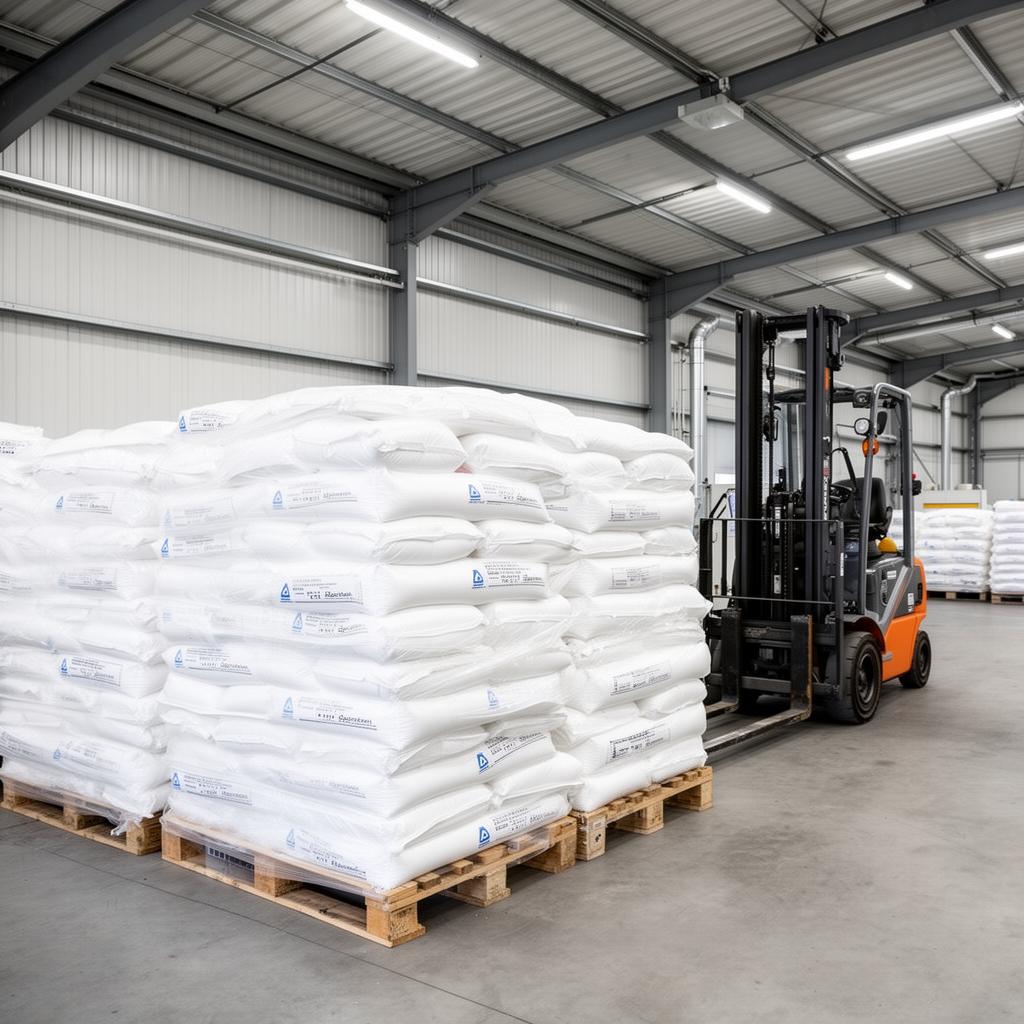
Store in dry, cool conditions in sealed containers. Graphite dust is combustible — maintain housekeeping standards and prevent dust accumulation. Battery-grade requires contamination-free storage. Non-hazardous for transport. Shelf life: effectively unlimited for dry material. Use dust mask and gloves when handling powder.
Reviews
There are no reviews yet.