
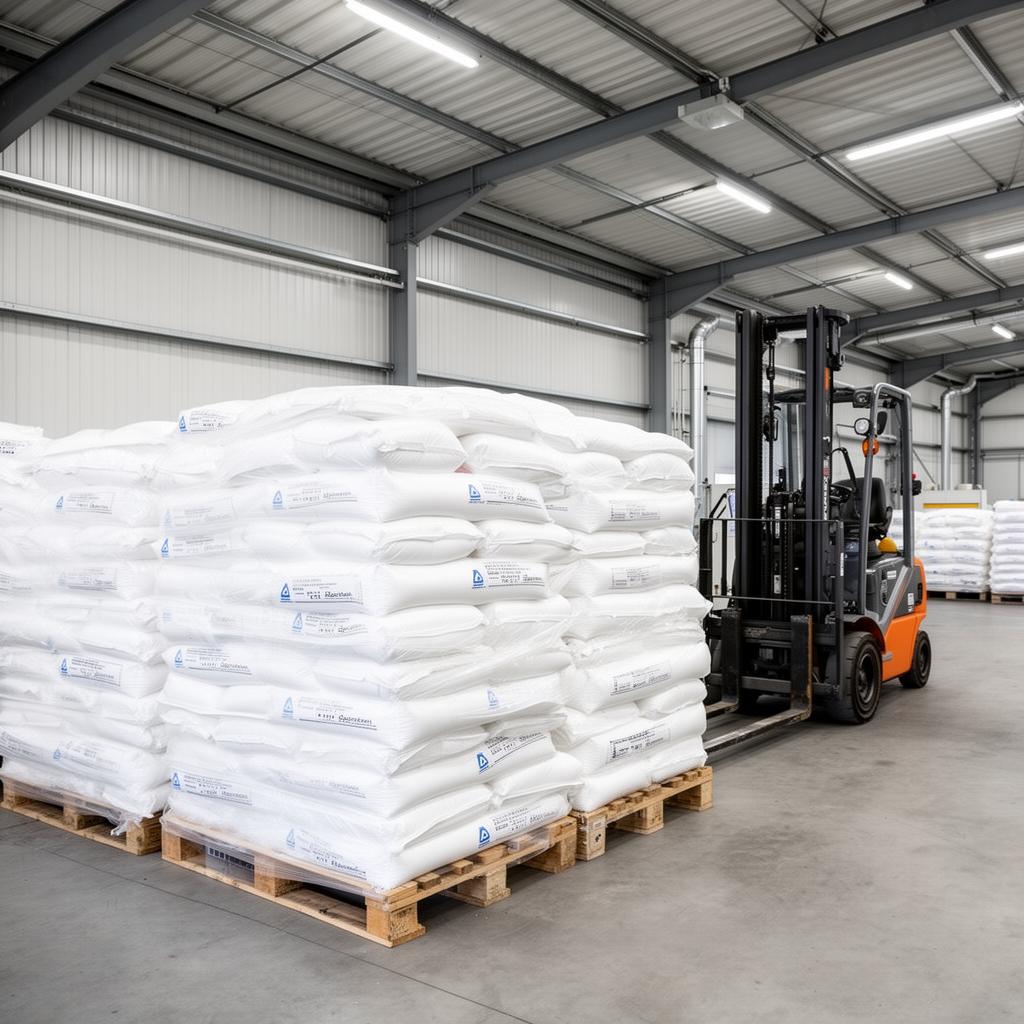
Product Overview
Green Methanol (CH₃OH, renewable) is methanol produced from renewable sources — either biomass gasification or CO₂ captured from industrial emissions combined with green hydrogen (e-methanol). As a carbon-neutral marine fuel, green methanol is at the forefront of shipping decarbonisation, with Maersk, CMA CGM, and other major shipping lines ordering methanol-powered vessels. Dongkwang Poland is developing supply channels for green methanol to serve the European maritime and chemical industries as the market transitions from fossil to renewable feedstocks.
How Green Methanol Works
Green methanol can be produced via two pathways: (1) Biomass-to-methanol: woody biomass or municipal waste is gasified to syngas (CO + H₂), then catalytically converted to methanol over Cu/ZnO/Al₂O₃ catalysts. (2) E-methanol: CO₂ captured from point sources or direct air capture is hydrogenated with green hydrogen (from renewable electrolysis) to produce methanol. Both routes yield chemically identical CH₃OH to fossil methanol, enabling drop-in use in existing infrastructure.
Key Benefits
Application Guide
Marine fuel: used directly in methanol-powered dual-fuel engines (MAN ME-LGIM). Chemical feedstock: drop-in replacement for fossil methanol in formaldehyde, MTBE, acetic acid, and olefin production. Fuel blending: blended with gasoline (M15, M85) for transport fuel. Power generation: used in methanol fuel cells for backup power. Hydrogen carrier: reformed back to H₂ at destination for hydrogen economy applications.
Ideal For
Storage & Handling
Store in carbon steel or stainless steel tanks with proper venting. Methanol is a flammable liquid (GHS Category 2, flash point 11°C) and toxic if ingested or inhaled. Full PPE: chemical-resistant gloves, goggles, organic vapour respirator. ADR Class 3 + Class 6.1 for transport. Burns with invisible flame — use UV/IR flame detection. Maintain grounding to prevent static discharge.
Reviews
There are no reviews yet.