
Product Overview
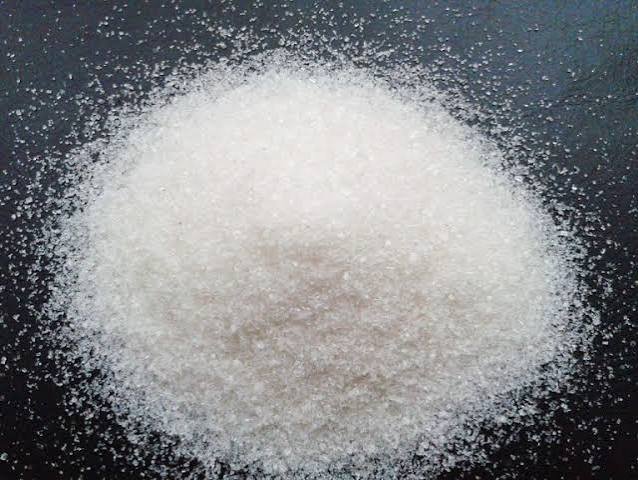
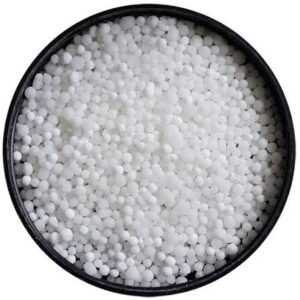
Ammonium Sulphate (21-0-0 + 24% S) is a dual-nutrient nitrogen and sulphur fertilizer with valuable soil-acidifying properties. In an era of increasing sulphur deficiency across European and global agriculture — driven by reduced atmospheric SO₂ deposition since clean air regulations — ammonium sulphate has become an essential component of modern crop nutrition. The acidifying effect (each tonne lowers pH by approximately 0.1 units per hectare) makes it invaluable for alkaline and calcareous soils where nutrient lockup limits crop productivity. Also widely used as a raw material in NPK compound fertilizer manufacturing and as an industrial processing agent.
How Ammonium Sulphate (AS) Works
Ammonium sulphate provides nitrogen as NH₄⁺ (ammonium) which is immediately adsorbed by soil colloids, providing resistance to leaching and sustained availability. During nitrification (NH₄⁺ → NO₃⁻), hydrogen ions are released, gradually acidifying the rhizosphere — beneficial for crops that prefer slightly acidic conditions (blueberry, tea, potato, azalea) and for unlocking micronutrients (Fe, Zn, Mn) in alkaline soils. The 24% sulphur (as SO₄²⁻) is immediately plant-available, supporting protein synthesis, chlorophyll formation, and the production of sulphur-containing amino acids (cysteine, methionine) and volatile flavour compounds.
Key Benefits
Application Guide
Broadcast: apply 200-400 kg/ha as a top-dress or basal application. For wheat protein: apply 150-200 kg/ha at GS30-39 as a sulphur + nitrogen supplement. For alkaline soils: apply 300-500 kg/ha annually to gradually reduce pH. Blending: use as N+S source in NPK blending plants. Tea & blueberry: apply 200-300 kg/ha split across the growing season for soil acidification. Compatible with urea and NPK products in tank mixes and physical blends.
Ideal For
Storage & Handling
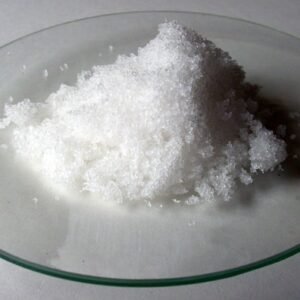
Store in dry conditions. Less hygroscopic than urea — good storage stability. Shelf life: 24 months. Crystal grade: more prone to dust; granular grade preferred for mechanical application. Store away from alkaline materials (lime, calcium nitrate) to prevent ammonia release.

Reviews
There are no reviews yet.