
Product Overview
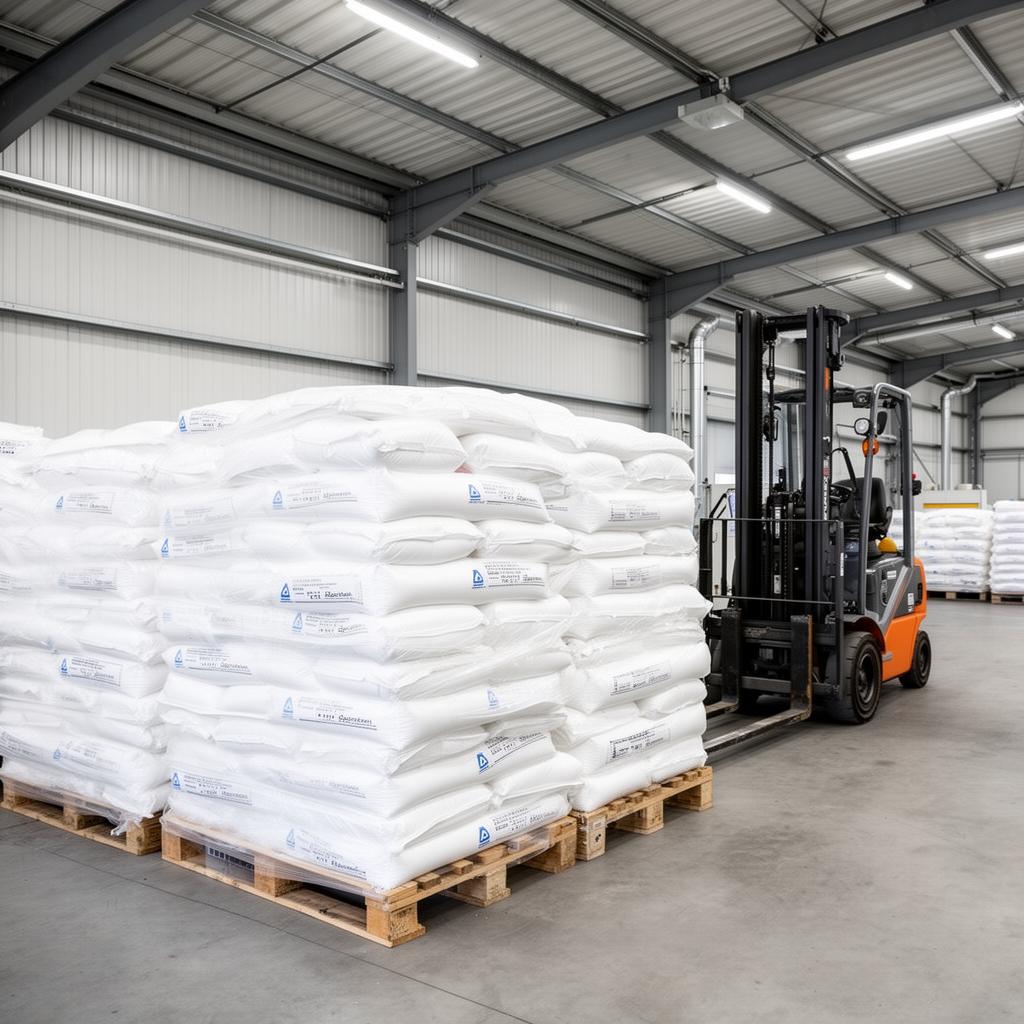
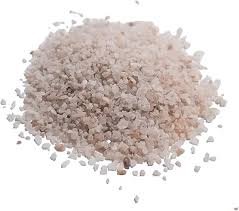
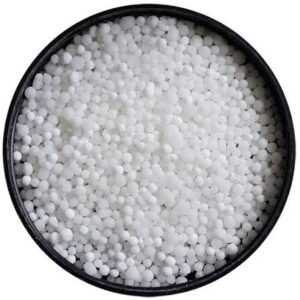
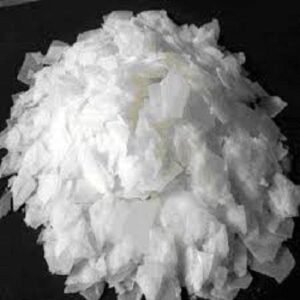
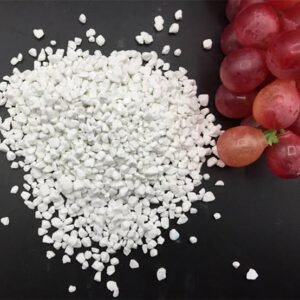
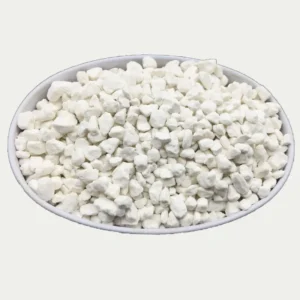
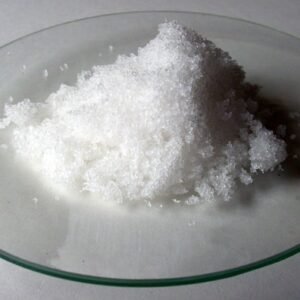
Sodium Hydroxide (NaOH, Caustic Soda) is one of the world’s most consumed industrial chemicals, essential for alumina refining (Bayer process), pulp & paper manufacturing, chemical synthesis, water treatment, and soap production. Available in 50% liquid solution and 98-99% solid (flake/pearl) forms, NaOH is a co-product of chlor-alkali electrolysis — its availability and pricing are linked to chlorine demand. Dongkwang Poland supplies industrial and food-grade caustic soda from European chlor-alkali facilities, ensuring consistent quality and competitive pricing for European industrial consumers.
How Sodium Hydroxide (Caustic Soda) Works
NaOH is a strong base that dissociates completely in water into Na⁺ and OH⁻ ions. The hydroxide ion drives neutralisation, saponification, and dissolution reactions across hundreds of industrial processes. In alumina refining, NaOH dissolves bauxite (Al₂O₃) in the Bayer process. In paper production, it delignifies wood chips in the kraft process. In food processing, it catalyses lutefisk preparation, olive curing, and cocoa alkalisation.
Key Benefits
Application Guide
Alumina refining: 70-100 kg NaOH per tonne of alumina. Pulp & paper: per kraft cooking liquor specification. Water treatment: dosed for pH adjustment to target levels. Soap: stoichiometric with fatty acids for saponification. Chemical synthesis: as per reaction requirements. Food processing: per application specification. Always add NaOH to water (never reverse). Use corrosion-resistant equipment.
Ideal For
Storage & Handling
Store in HDPE, carbon steel, or nickel-alloy containers. Avoid aluminium, zinc, tin, and galvanised steel — NaOH dissolves amphoteric metals. Highly corrosive (GHS Category 1A) — causes severe burns. Full PPE mandatory: chemical suit, face shield, nitrile gloves. Emergency shower and eye wash required. ADR Class 8 for transport. Concentrated solutions may crystallise below 12°C — heated storage may be needed in winter.
Reviews
There are no reviews yet.