

Product Overview
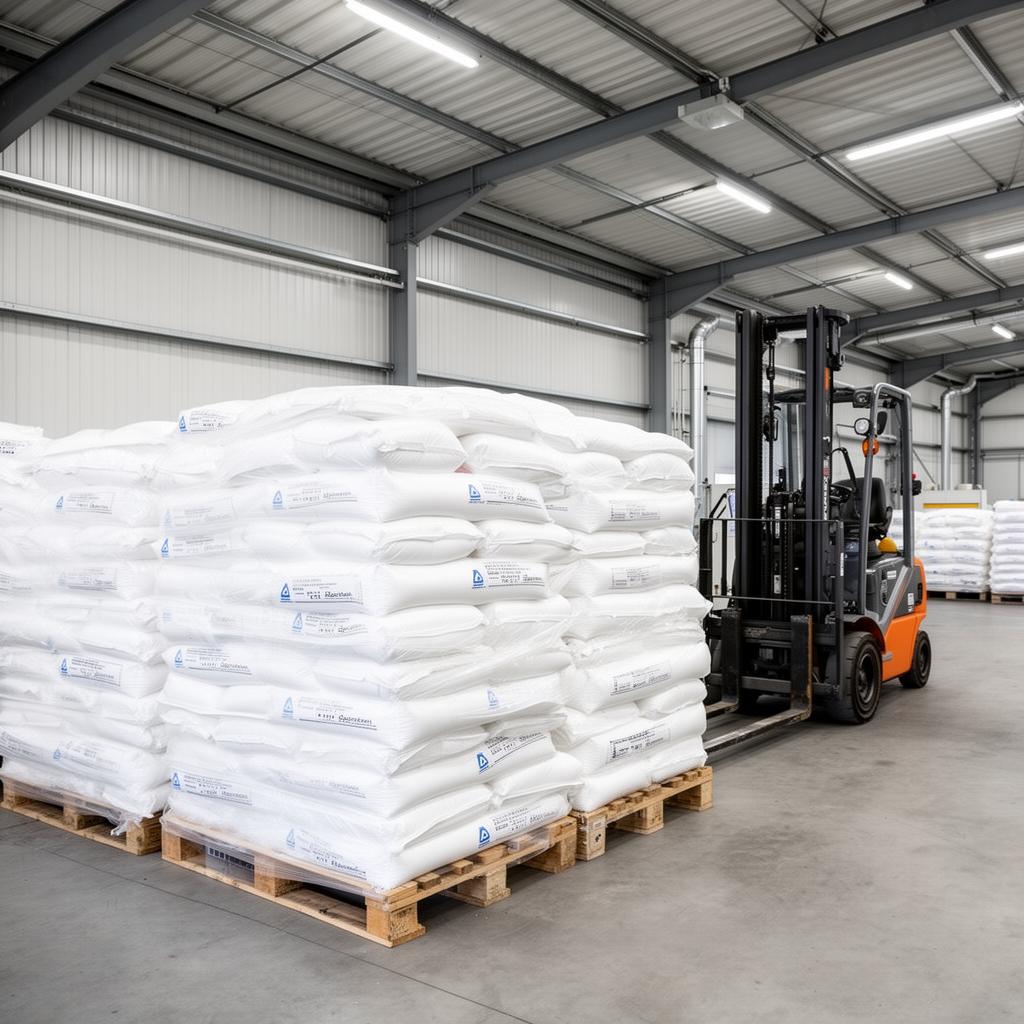
Dimethyl Carbonate (DMC, (CH₃O)₂CO) is a versatile, environmentally friendly organic carbonate used as a co-solvent in lithium-ion battery electrolytes, as a methylating agent in pharmaceutical and agrochemical synthesis (replacing toxic dimethyl sulphate and methyl iodide), and as an oxygenate fuel additive. DMC is classified as a VOC-exempt solvent in the US and has near-zero ozone depletion potential, making it a green chemistry substitute across multiple applications. Dongkwang Poland supplies battery-grade and technical-grade DMC for European industry.
How Dimethyl Carbonate (DMC) Works
In Li-ion batteries, DMC serves as a low-viscosity co-solvent mixed with ethylene carbonate (EC) to reduce electrolyte viscosity and improve ionic conductivity. The EC:DMC mixture (typically 1:1 to 1:2 by volume) balances SEI formation capability (from EC) with low viscosity and wide liquid range (from DMC). As a methylating agent, DMC transfers methyl groups via nucleophilic substitution under mild conditions, avoiding the toxicity and environmental hazards of traditional methylating reagents.
Key Benefits
Application Guide
Li-ion electrolyte: 30-50 vol% in binary/ternary solvent systems with EC. Methylation reactions: substitute for CH₃I, (CH₃)₂SO₄, or CH₃OTs in pharmaceutical synthesis. Fuel additive: 3-5% oxygenate in gasoline to reduce particulate emissions. Polycarbonate synthesis: transesterification with bisphenol-A (non-phosgene route). Coatings: reactive diluent in polyurethane and epoxy systems.
Ideal For
Storage & Handling
Store in carbon steel or stainless steel containers. DMC is a flammable liquid (GHS Category 2, flash point 18°C). Keep away from ignition sources and oxidisers. ADR Class 3 for transport. Low acute toxicity — use standard chemical handling PPE (gloves, goggles). Shelf life: 24 months. Battery-grade requires moisture-free handling.
Reviews
There are no reviews yet.