Product Overview
Trichoderma viride is a versatile biocontrol fungus with strong cellulolytic (cellulose-degrading) enzyme production, making it uniquely effective for both disease suppression and crop residue decomposition. While sharing many biocontrol mechanisms with T. harzianum, T. viride is particularly effective against Sclerotium rolfsii (collar rot/southern blight) and Macrophomina phaseolina (charcoal rot) — devastating pathogens in tropical and subtropical agriculture. Its powerful cellulase and xylanase production accelerates decomposition of crop stubble, straw, and organic residues, improving soil carbon cycling.
How Trichoderma viride Biocontrol Works
T. viride produces a comprehensive suite of cell wall-degrading enzymes: chitinases and β-glucanases attack pathogen cell walls, while cellulases, xylanases, and pectinases decompose plant residues. Against Sclerotium and Macrophomina, T. viride directly parasitizes sclerotia (pathogen survival structures), reducing inoculum carry-over between seasons. The cellulose decomposition function converts crop stubble into humus, releasing locked nutrients and improving soil physical properties. T. viride also produces volatile antibiotics (6-pentyl-α-pyrone — coconut-scented) that inhibit pathogen growth.
Key Benefits
Application Guide
Seed treatment: 5-10g per kg seed. Soil application: 2-5 kg/ha in-furrow. Residue decomposition: apply 5-10 kg/ha to crop stubble after harvest, lightly incorporate. Compost acceleration: 200g per ton of composting material. For collar rot prevention: apply as soil drench around plant base at 2g/L before disease onset. Re-apply every 45-60 days in tropical climates with year-round pathogen pressure.
Ideal For
Storage & Handling
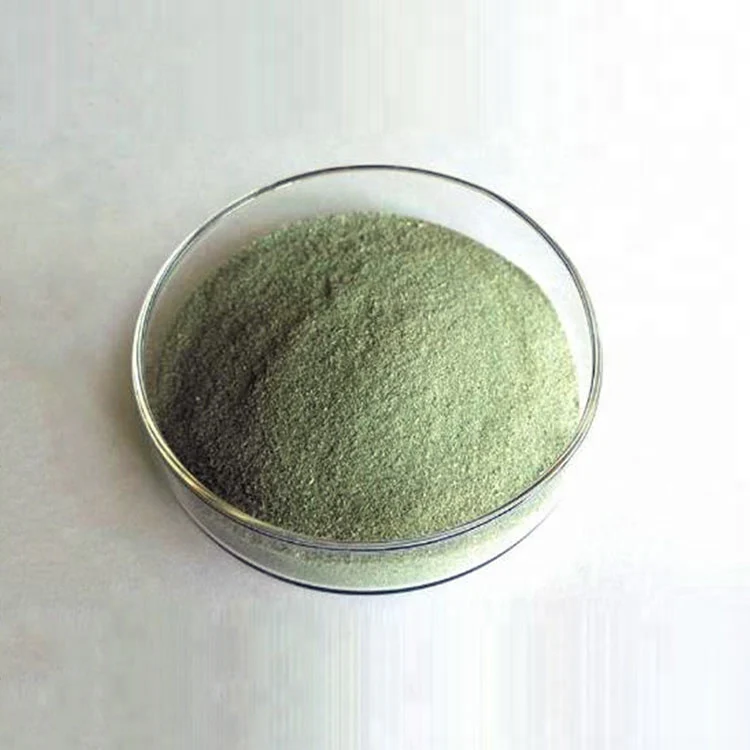
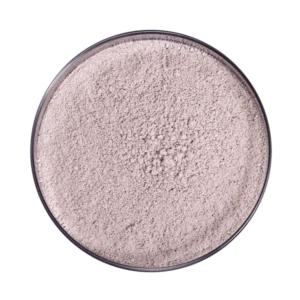
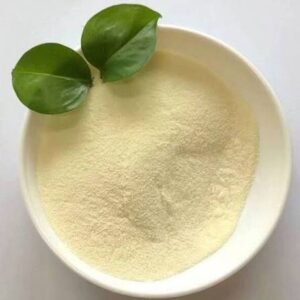
Store at ambient temperature (<30°C) in sealed packaging. Talc-based powder provides good spore stability. Shelf life: 12-18 months. No refrigeration required. Keep away from direct sunlight.
Reviews
There are no reviews yet.