
Product Overview
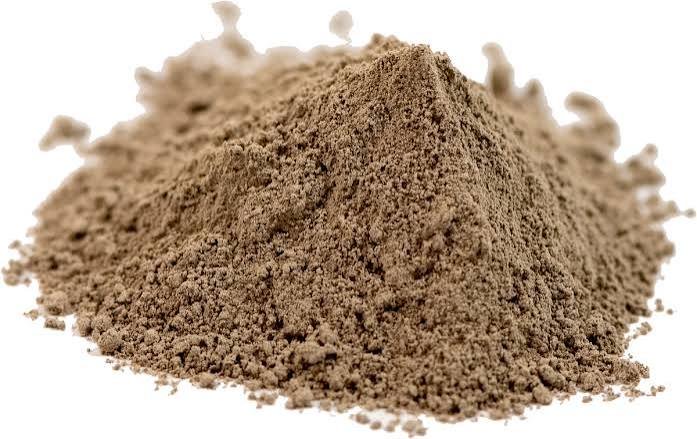
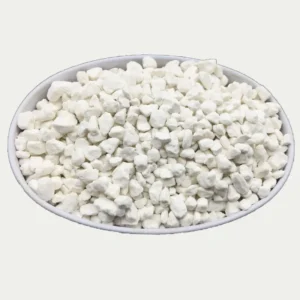
Rock Phosphate (Ca₃(PO₄)₂, 28-32% P₂O₅) is a naturally mined sedimentary mineral and the primary raw material for all manufactured phosphate fertilizers. In its ground form, it serves as a slow-release phosphorus source approved for organic agriculture, providing P nutrition over 2-5 years on acid soils. BO Fertilizer Sp. z o.o. supplies both reactive rock phosphate (for direct agricultural use) and beneficiated rock phosphate (for phosphoric acid and fertilizer production) from North African and Middle Eastern deposits, the world’s most significant phosphate reserves.
How Rock Phosphate Works
Rock phosphate dissolves in acid soil conditions (pH <6.5), releasing phosphate ions (H₂PO₄⁻) for plant uptake. Dissolution rate depends on soil pH, organic acid production by soil microorganisms, and particle size. Finely ground reactive rock phosphate from sedimentary deposits (Morocco, Tunisia) dissolves faster than igneous rock phosphates. On neutral-to-alkaline soils (pH >7), dissolution is too slow for adequate P supply — manufactured fertilizers (MAP, DAP, TSP) are recommended instead.
Key Benefits
Application Guide
Direct application: 500-2,000 kg/ha on acid soils (pH <6.5), incorporated into the top 15-20cm. For tropical perennials (oil palm, rubber, cocoa): 1,000-2,000 kg/ha as basal application at planting. For organic arable: 500-1,000 kg/ha every 2-3 years. For phosphoric acid production: crushed and acidulated with sulphuric or phosphoric acid. Particle size should be 80% passing 0.15mm for agricultural use.
Ideal For
Storage & Handling
Store in dry conditions. Non-hazardous, non-reactive. Extremely stable — shelf life effectively unlimited. Dusty during handling — use dust mask. No special storage requirements beyond protection from rain. Bulk storage in open bays or covered silos.

Reviews
There are no reviews yet.