
Product Overview
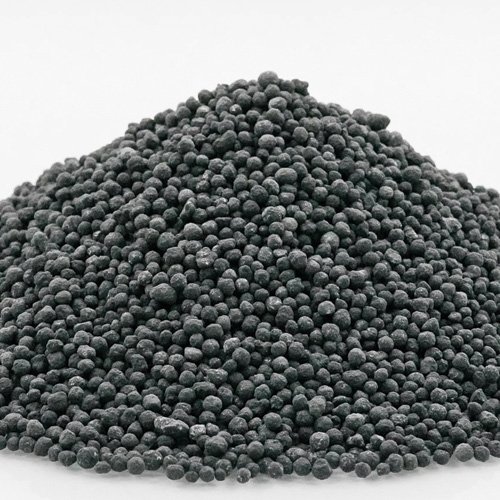
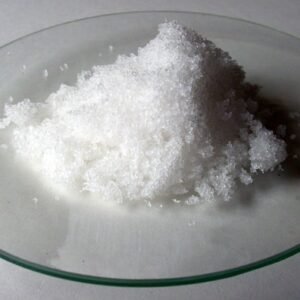
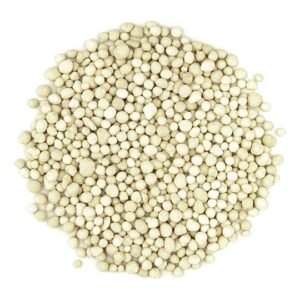
Di-Ammonium Phosphate (DAP) with 18-46-0 analysis is the world’s most widely used phosphorus fertilizer — the cornerstone of crop nutrition programs on every inhabited continent. DAP provides the highest phosphorus concentration of any compound NP fertilizer, delivering 46% P₂O₅ plus 18% nitrogen in a highly water-soluble, granular form. As a critical import commodity for India, Pakistan, Bangladesh, Brazil, Ethiopia, and 50+ countries, DAP is the foundation of global food security. Dongkwang Poland supplies technical and fertilizer grade DAP to importers, blending plants, and distributors worldwide.
How Di-Ammonium Phosphate (DAP) Works
DAP dissolves rapidly in soil moisture, releasing ammonium (NH₄⁺) and phosphate (HPO₄²⁻) ions. The ammonium component creates a temporary alkaline microsite around each granule (pH 8.0-8.5) that enhances phosphorus solubility in the first 24-48 hours — a unique advantage over other phosphate sources. The high P₂O₅ concentration (46%) means less product is needed per hectare to meet phosphorus targets. Water-soluble P₂O₅ (≥90%) ensures rapid availability for root uptake during the critical establishment phase. The nitrogen component (18%) provides supplemental N for early vegetative growth.
Key Benefits
Application Guide
Basal application: apply 100-250 kg/ha at planting, incorporated into the top 10-15cm. For cereals: 150-200 kg/ha at sowing. For maize: 200 kg/ha banded beside the seed row. For legumes: 100-150 kg/ha at planting. Blending: primary P source for NPK compound manufacturing. Fertigation: dissolve 200-400g/L in water for phosphate injection. Avoid surface application without incorporation — ammonia volatilisation occurs from the alkaline granule microsite. Place in the root zone for maximum efficiency.
Ideal For
Storage & Handling
Store in dry, covered conditions. DAP is less hygroscopic than urea but should be protected from moisture. Shelf life: 24 months. Compatible with standard spreading and blending equipment. The alkaline reaction can release ammonia odour from freshly opened bags — store in ventilated areas. Avoid mixing with lime in storage.
Reviews
There are no reviews yet.