
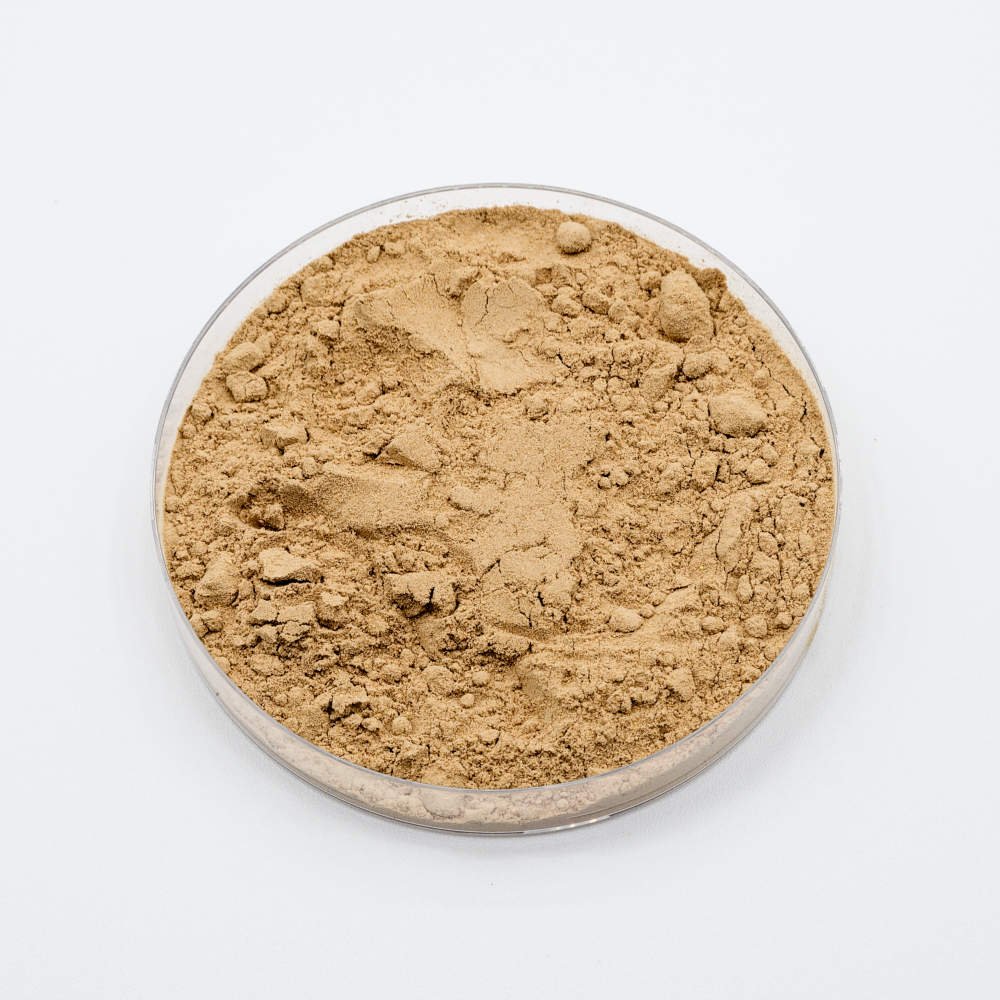
Product Overview
Bacillus amyloliquefaciens is one of the most commercially important plant growth-promoting rhizobacteria (PGPR), producing a remarkable arsenal of lipopeptide antibiotics — surfactin, iturin, and fengycin — that provide broad-spectrum biocontrol against both fungal and bacterial plant pathogens. Beyond disease suppression, B. amyloliquefaciens promotes plant growth through production of IAA (auxin), cytokinins, volatile organic compounds, and phosphorus solubilization. Registered for agricultural use in the EU, USA, and major agricultural markets globally.
How Bacillus amyloliquefaciens PGPR Works
B. amyloliquefaciens colonizes root surfaces and produces cyclic lipopeptide antibiotics: surfactin disrupts pathogen cell membranes, iturin has direct antifungal activity by inserting into fungal membranes, and fengycin targets filamentous fungi. These lipopeptides also act as surfactants improving root colonization. The bacterium simultaneously produces volatile organic compounds (2,3-butanediol, acetoin) that trigger induced systemic resistance (ISR) in plants via the jasmonate/ethylene signalling pathway, priming defense responses against foliar and root pathogens.
Key Benefits
Application Guide
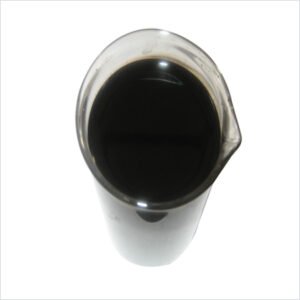
Seed treatment: apply 5-10 mL liquid per kg seed. Soil drench: 2-5 L/ha through irrigation. Foliar spray: 2-3 L/ha for above-ground disease management. Transplant dip: 100 mL per 10L water. Apply preventively, 7-14 days before expected disease pressure. Re-apply every 14-21 days during active disease pressure. Compatible with most biological products. Avoid mixing with copper-based or systemic fungicides.
Ideal For
Storage & Handling
Store at ambient temperature (<30°C). Spore-based formulation provides excellent stability. Shelf life: 24 months sealed. No refrigeration required. Shake liquid formulation before use.
Reviews
There are no reviews yet.