

Product Overview
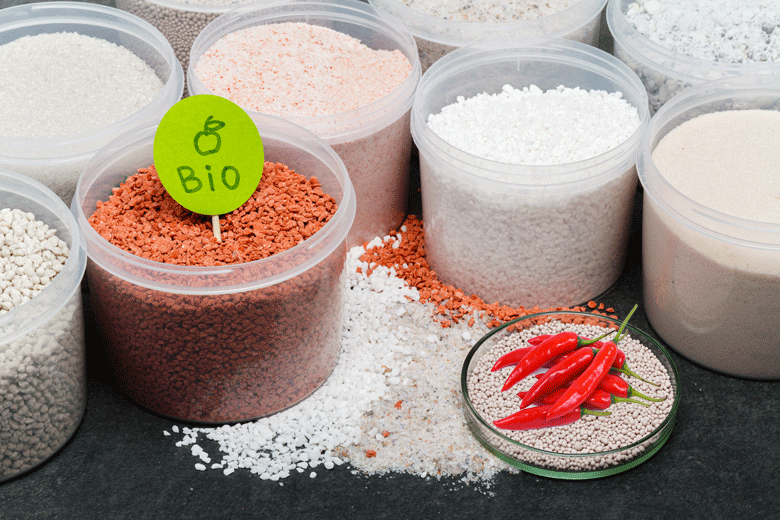
Chili Fertilizer Blend (12-8-18 + 2% MgO) is formulated for the unique nutritional physiology of Capsicum species — from mild bell peppers to the hottest habaneros. The potassium-dominant ratio drives capsaicin biosynthesis (the compound responsible for pungency) while magnesium is central to chlorophyll production in these heavy-bearing plants. Magnesium deficiency in peppers causes interveinal yellowing of lower leaves — a widespread problem in intensive production that directly reduces photosynthetic output and yield. Trusted by commercial chili growers in Spain, Turkey, India, Thailand, Mexico, and across the global spice trade.
How Chili Fertilizer Blend Works
Potassium (18% K₂O) is the primary driver of capsaicin synthesis in the pepper placenta — the tissue surrounding the seeds where pungency compounds are concentrated. K also improves fruit color development (capsanthin pigment), wall thickness, and shelf life. Magnesium (2% MgO) occupies the central position in the chlorophyll molecule — without it, photosynthesis declines and the plant cannot support its heavy fruit load. The moderate nitrogen (12%) supports vegetative frame development without excessive leaf growth that shades fruit and delays ripening.
Key Benefits
Application Guide
Three-split application: 150 kg/ha at transplanting, 150 kg/ha at flowering, 100 kg/ha at first harvest. Total: 400 kg/ha. For fertigation: apply 2-3 kg/1000m² weekly during peak fruiting. Supplement with foliar magnesium (Epsom salt at 2%) if interveinal yellowing appears on lower leaves. For bell peppers: increase total to 450-500 kg/ha to support larger fruit size.
Ideal For
Storage & Handling
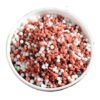
Store in dry, cool conditions. Shelf life: 24 months in sealed packaging. Standard handling and application equipment compatible. The magnesium component is stable and non-hygroscopic.
Why Choose BO Fertilizer Sp. z o.o.?
Our chili blend is one of the few fertilizer products that includes magnesium specifically for Capsicum production. The 2% MgO rate is calibrated to pepper’s actual uptake requirement — preventing the chlorosis that reduces yield by 15-25% in Mg-deficient crops. Every batch is tested for nutrient content and granule uniformity.
Reviews
There are no reviews yet.