

Product Overview
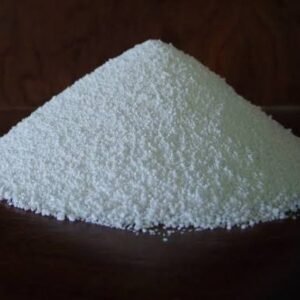
Lithium Carbonate (Li₂CO₃, ≥99.5% battery grade) is the primary lithium compound used in cathode active material production for lithium-ion batteries. As the fastest-growing chemical commodity driven by electric vehicle adoption, lithium carbonate demand is projected to triple by 2030. Dongkwang Poland sources battery-grade Li₂CO₃ from diversified supply chains spanning Australian spodumene converters, South American brine operations, and emerging European lithium projects, providing European battery gigafactories with the supply security essential for production planning.
How Lithium Carbonate (Li₂CO₃) Works
Li₂CO₃ serves as the lithium source in the solid-state synthesis of cathode active materials. For NMC (Nickel Manganese Cobalt) cathodes, Li₂CO₃ is calcined with transition metal hydroxide precursors at 800-1,000°C to form the layered oxide structure LiNiₓMnyCozO₂. For LFP (Lithium Iron Phosphate) cathodes, it reacts with iron phosphate precursors. The purity of Li₂CO₃ directly impacts cell performance — impurities (Na, K, Ca, Fe, Mg) above ppm-level thresholds cause capacity fade, gas generation, and reduced cycle life.
Key Benefits
Application Guide
Battery cathode production: calcined with precursor hydroxides at 800-1,000°C in roller hearth kilns. Ceramic & glass: 1-5% addition lowers melting temperature and improves thermal shock resistance. Pharmaceutical: lithium salts for bipolar disorder treatment (Rx only). Aluminium smelting: 2-4% LiF/Li₂CO₃ addition to electrolyte bath reduces energy consumption. Grease manufacturing: lithium soaps for high-temperature lubricants.
Ideal For
Storage & Handling
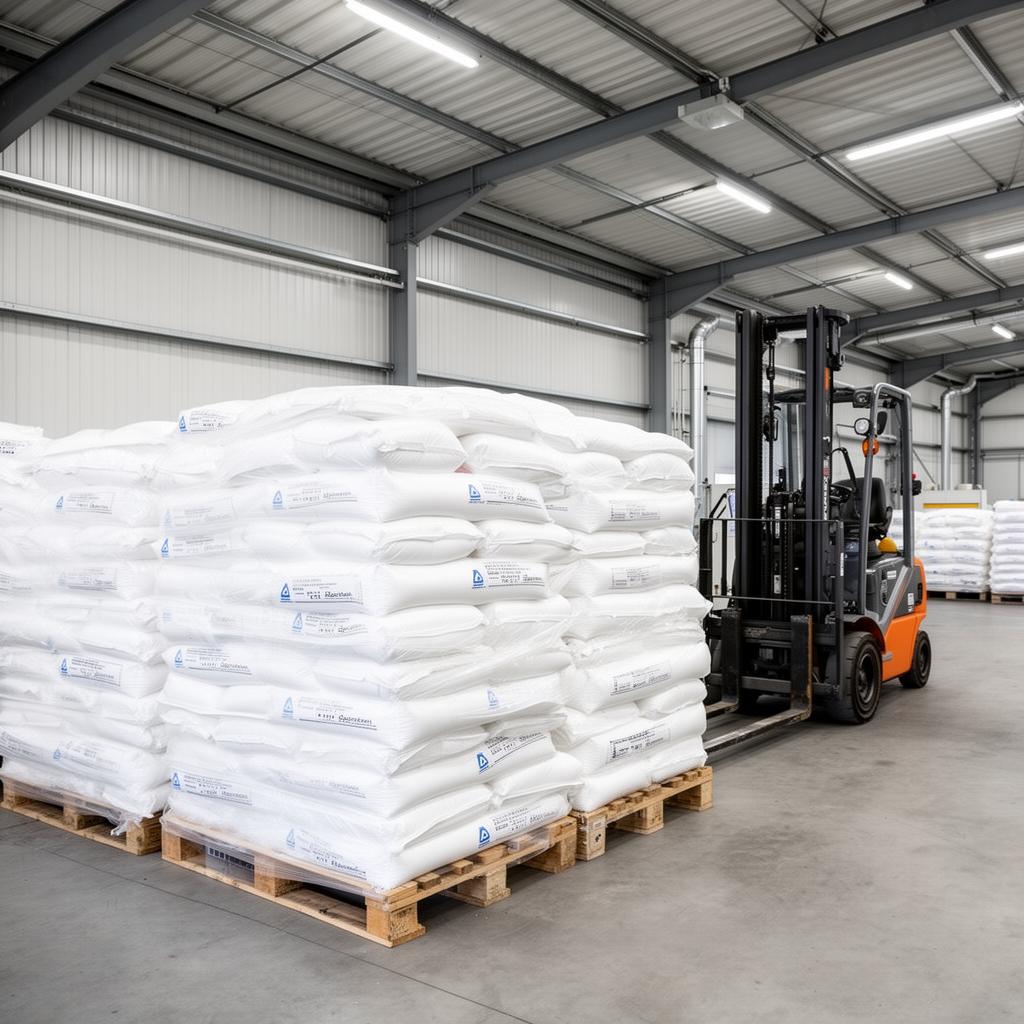
Store in dry, cool conditions in sealed containers. Li₂CO₃ is mildly alkaline — use gloves and dust mask. Keep away from strong acids. Non-hazardous for transport (not ADR classified for battery-grade). Shelf life: 36 months in sealed packaging. Maintain contamination-free storage for battery-grade material — segregate from other chemicals.
Reviews
There are no reviews yet.